

It was a week to remember. What happened that week was enough to create a serious case of cultural vertigo. It was a dizzying clash of perspectives on women.
The worst of it came when movie mogul Harvey Weinstein’s sexual harassment scandal broke. The best by far was Moody Bible Institute’s 2017 Missions Conference in Chicago. The contrast between the two events couldn’t have been more stark.
While dozens of women were coming forward to accuse Weinstein for decades of sexual harassment and assault, something vastly different was happening in Chicago. In the most emphatic way Moody Bible Institute (MBI) was honoring and celebrating the legacy and promise of Moody women—past, present, and future.
The week was loaded with exclamation points.
Moody’s Feminine Legacy
At its founding, MBI was at the forefront of biblical and theological education for women. The mission of God was paramount, and the door for training wide open to anyone who sensed God’s call to ministry.
MBI produced some extraordinary women. My early childhood impressions of Moody were of MBI’s female graduates who were teachers, authors, missionaries, and leaders who influenced my mother when she was a young girl and also as an adult.
Even the founding of the school bears the influence of a woman. That fact was highlighted during the conference and honored with the announcement of the Emma Dryer Legacy Award to be awarded annually to a MBI alumna with five to fifteen years in urban ministry.
Maybe it was because other educational institutions have been catching up. Maybe it was because the pendulum at Moody regarding women took a swing in another direction. But this year, things changed. MBI stepped up again to take the lead.
H.E.R.
I’ve been to plenty of conferences that strongly affirmed the gifts and callings of women—both Christian and secular. This conference topped them all.
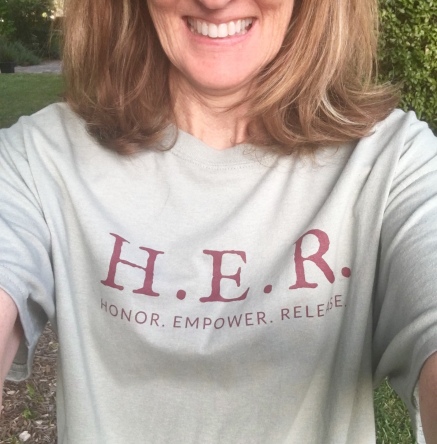
First, there was the conference theme: H.E.R. an acronym for Honor, Empower, and Release intended to honor women in ministry, with a T-shirt to go with it. (I’ll let you guess who’s wearing the T-shirt.)
Second, came the powerful poster that represented women as the ezer-warrior. The combined effect of the theme and the image gave rise to a short-lived controversy. “Are women supposed to be gladiators?” “Is this a women’s only conference?”
The stated intention of the image was “to convey a simple yet elegant image of a strong woman, a warrior and woman of valor.” With support from Moody’s administration and all of the missions organizations participating (not to mention backing from the Apostle Paul who instructs both men and women to “put on the whole armor of God”) the conference committee stood firm. The ezer-warrior image survived, and she appeared in all her glory in the conference opening session.
Third, the conference reached back into the past to acknowledge the strong legacy of Moody women through poignant student monologues and spoken word. The often forgotten Emma Dryer headed the list (see “Behind Every Great Man is a Great Woman”).
According to Moody Missions Conference Director Clive Craigen, “As important as D.L. Moody was to the founding of [this institution], equally without Emma Dryer there is no Moody Bible Institute.”


MBI student actors represented four courageous female missionaries—either as the women themselves or as the woman’s husband or nephew. The dramatizations included Eleanor Chestnut, M.D., a medical missionary in China who was martyred.
Fourth, the entire conference opened and closed with the earthshaking video below. I say “earthshaking” because both times they showed it, the whole place rocked with the roar of the students. I can still hear them!
See if it doesn’t make your heart pound as it did mine.
The building physically did shake during Thursday evening’s Ethnefest. The whole evening is a celebration of cultures and languages through worship, spoken word (poetry), and dance.
That evening I had a near-mosh-pit experience. That’s what I get for sitting too close to the front. (Those who know me will understand how awkward that could have been.)
The Blessed Alliance Comes to MBI
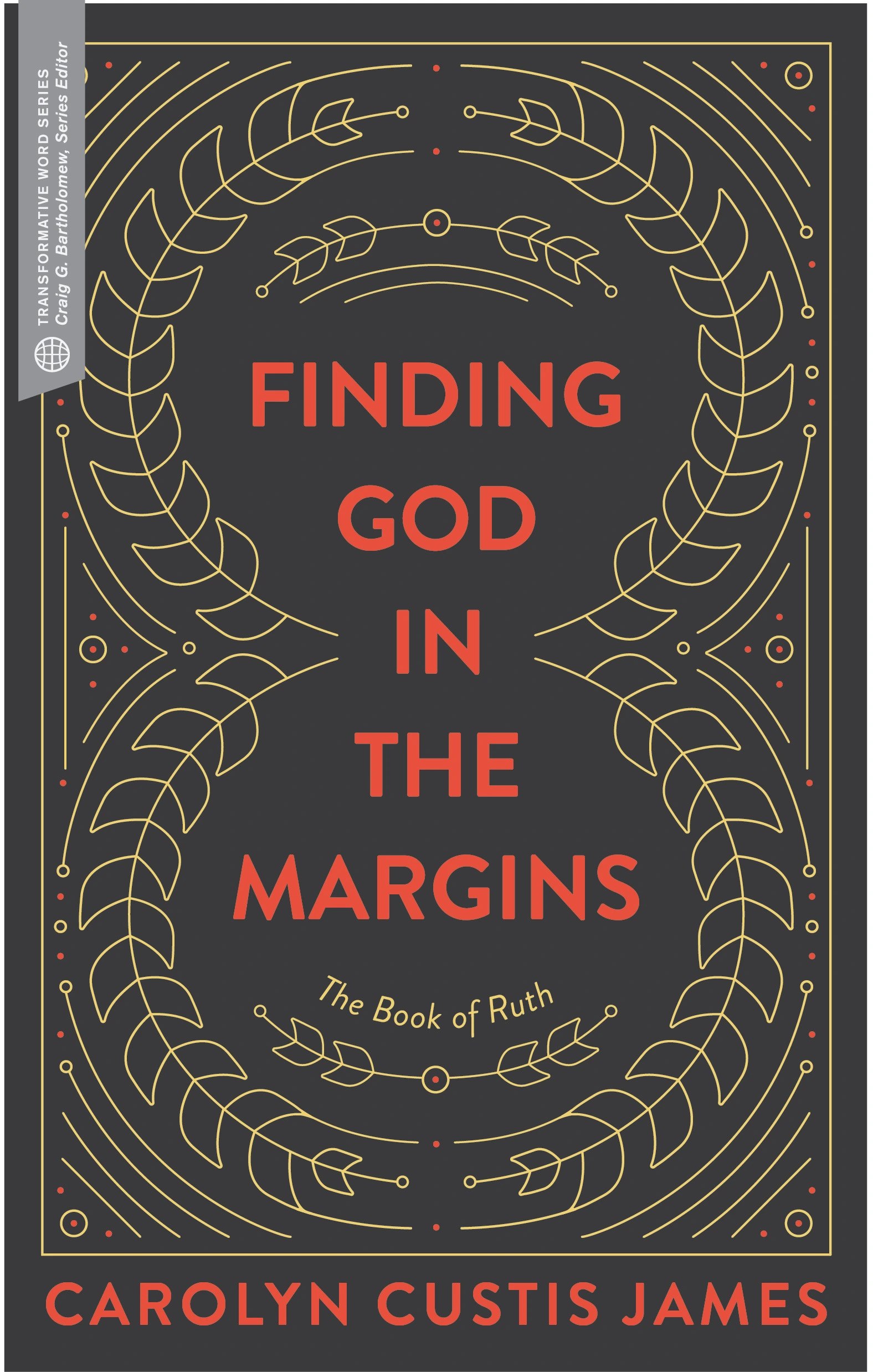
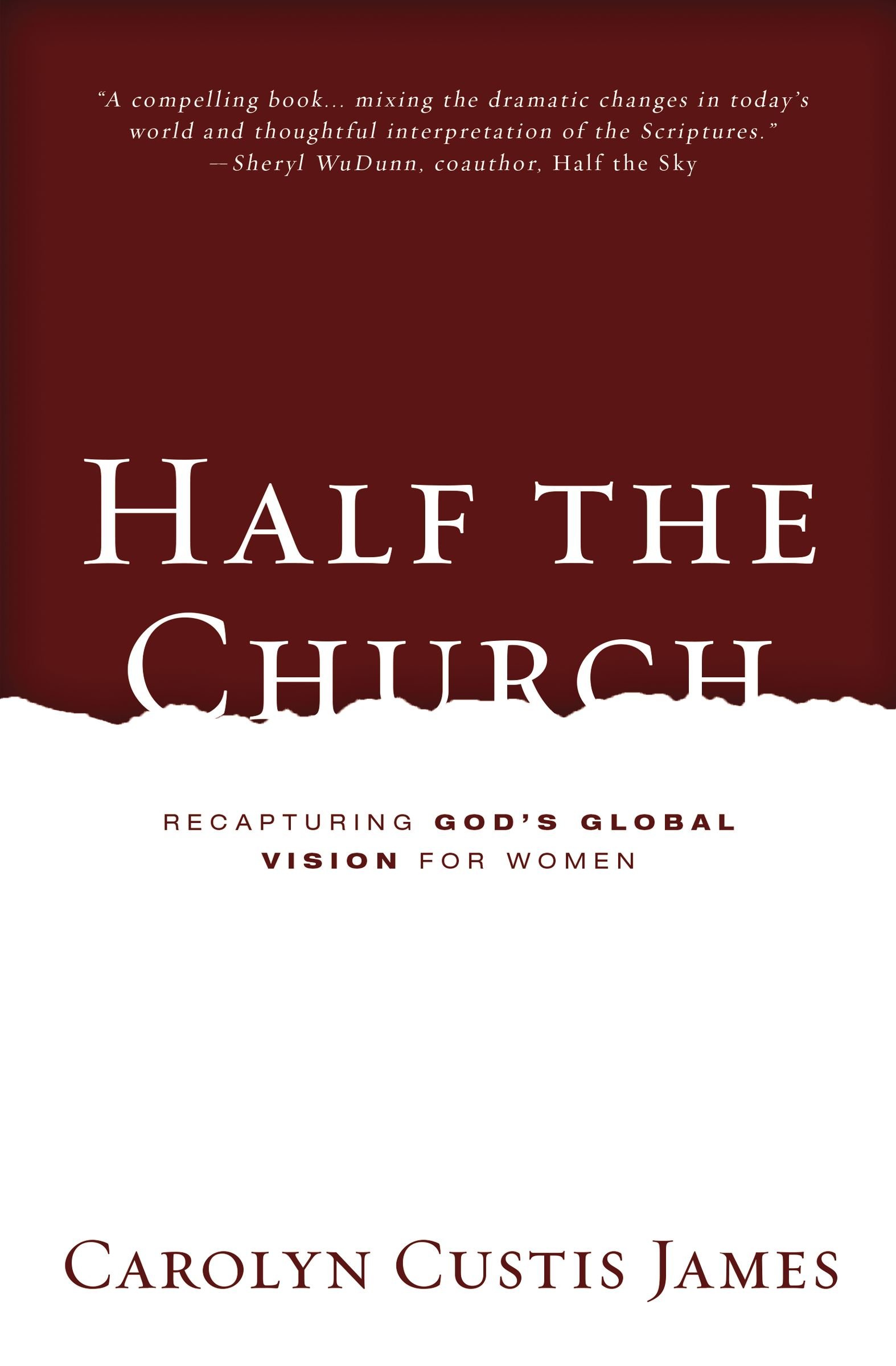
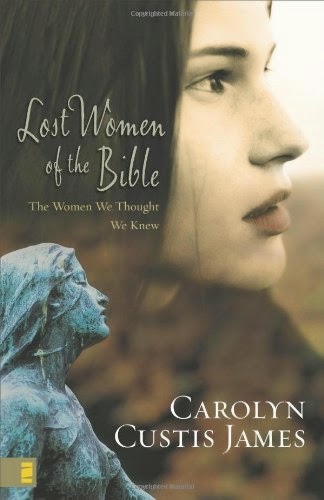
As for my part, I was invited to be what I later learned was the “first female headlining speaker” for a MBI missions conference. In addition to two Q&A sessions (with faculty and students respectively) and Dr. Pamela MacRae’s class on “Theology and Philosophy of Women in Ministry,” I spoke for the three morning sessions. At their request, I based my messages on three of my books: Lost Women of the Bible, Half the Church, and The Gospel of Ruth (with a bit of Malestrom thrown in).
My focus was the Blessed Alliance. I gave them Eve at creation and followed with three narratives that display the blessed male/female alliance in action: Esther and Mordecai, Mary and Joseph, and (of course) Ruth, Naomi, and Boaz.

A Win-Win for God’s Daughters and Sons
Conversations that followed with students and faculty were high points for me. Although I love to hear it, I’m no longer surprised when women tell me the image bearer/ezer-warrior/Blessed Alliance message struck a chord with them. Deep down inside we know God calls us to this. That message honors, empowers, and releases women and girls to embrace God’s calling on our lives.
What may come as a surprise to some is that the same message honors, empowers, and releases men and boys too. That’s what the men at Moody told me. At the end of the conference, one male student said it directly: “Your messages were really empowering.”
It is a marvel and a mystery—that when God raises up his daughters to love and serve him with their whole lives, men don’t pay a price. They benefit, for God created his sons and daughters to serve him together.
Like I said, it’s hard to imagine a sharper contrast or greater dissonance between what I was witnessing at Moody and the appalling evidence of sexual abuse and assaults that was turning up in the media. The #MeToo tweets reveal that all too often, instead of experiencing honor, empowerment, and release, far too many women and girls are objectified, degraded, and abused. It’s encouraging that women are finding their voices and speaking out.
Not only does this once again open the door for the church to take a prominent role in opposing abuse no matter who does it or what form it takes. It is also (and we can take our cues from MBI) to be known for proclaiming a far better message for women and girls–to be known for honoring, empowering, and releasing them to embrace all that God calls them to be and to do.
Craigen “urged the Moody community to not forget that women were the first ones to see the resurrected Christ, and during Jesus’ life, his speech with women at the time was culturally scandalous.”
In the wake of discomfort with the warrior imagery of H.E.R. and with the urgency that comes from seeing women mistreated, he went on to add,
“Perhaps, through a little ‘intentional dissonance,’ by allying with the committee, the administration, and the missions organizations to graciously encourage women to speak, the student body will do well to become a little more ‘culturally scandalous.'”
Once again Moody is taking the lead. Let’s pray many others will follow their example.



 The stake my professor drove into the ground that day triggered a quest that changed my life and shapes my entire ministry. The importance of theology for women became the focus of my first book—




 Every once in a while I start reading a book where the journey is so rich and impactful, I start dreading the final chapter.







 Carolyn Custis James