Last week, in a well-known Christian college, a Bible professor stated unequivocally to his class that “Men are created in the image of God, but women are created in the image of man.” His assertion is a flat denial of what is stated plainly on page one of the Bible, but unfortunately has long roots that can be traced back to early church fathers, including the revered St. Augustine, and has done enormous damage. I remember the first time I heard anyone say, “God created both women and men in his image.” I was in my twenties, had grown up in the church, and this was news to me.
The comment made by former President Jimmy Carter (a Bible-believing Christian) linking religion to the global epidemic of discrimination against women (posted here), coupled with the boatload of criticisms former Christian Paula Kirby unloads against Christianity in her article “Religion lies about women” (posted here) confronts the church with questions that are neither unfair nor manufactured.
To the contrary, both are raising legitimate questions about biblical texts, traditional interpretations, and widespread practices, and they are not the only ones who are asking. Historically, and still today, the church’s teachings and practices have opened the door, if not directly contributed, to discrimination against women. We need to be honest about that. Countless women and men both outside and inside the church know this to be true, including many former Christians who, like Kirby, have vacated the church.
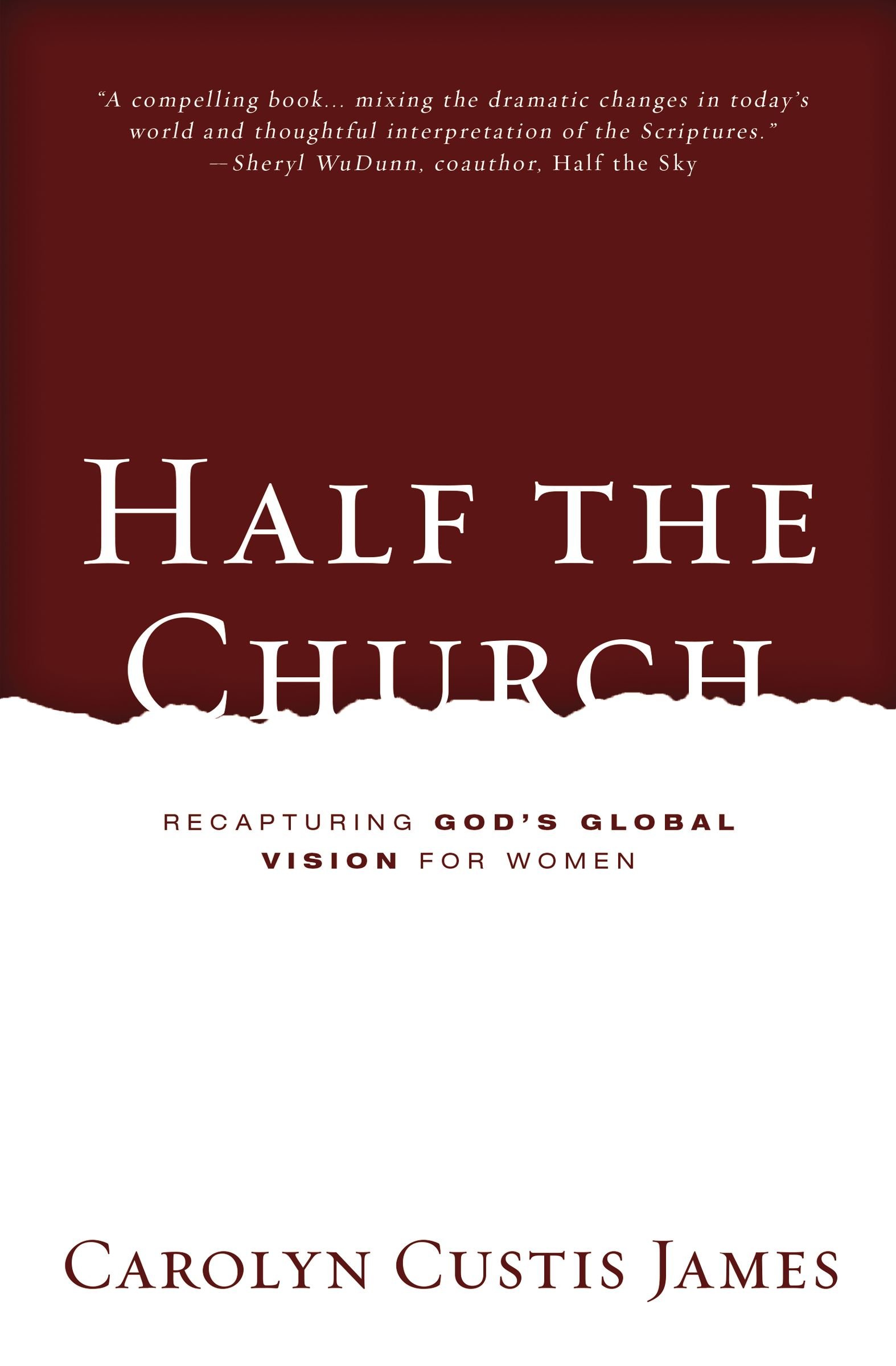
Kirby’s article will (and should) make Christians squirm. But this is not a moment for dismissive remarks or clever counterattack. The offenses bundled up in the phrase “discrimination against women” are real and range from polite to sinister. Globally they encompass unspeakable suffering, violent atrocities, and deadly consequences for countless women and girls. If you want to put things in perspective, read Nicholas Kristof and Sheryl WuDunn’s bestselling book, Half the Sky. In fact, Half the Sky challenged me to examine the relevance of the Bible’s message for women and girls in this century, and my findings resulted in Half the Church: Recapturing God’s Global Vision for Women.
Kirby is raising important questions and deserves to be taken seriously. At a minimum, the church loses credibility in the world and squanders vital human resources God designed to bless the world when we embrace a weak, guarded, and small message for women within our ranks. This alone is reason enough to engage the issues Kirby is raising. Her article opens a window of opportunity the church has responsibility to engage. Her honest questions are not sidebars to the Christian faith, but central to the gospel we embrace. Nothing quite outrages God and his prophets like abuse of power and injustices against women, the poor, and the foreigner. Christians today should be on the forefront in addressing the slightest hint of oppression both inside and outside the church. Kirby’s questions challenge the church’s ability to speak into the lives of women in the twenty-first century with relevance and a message that empowers women to live fully and that promotes their flourishing in today’s world. It’s a fair question: Is the good news of the gospel truly good news for women too?
I have been asking these questions for years, not as an outsider, but as a committed Christian woman. This discussion isn’t academic for me. These issues touch down in my life and in the lives of women and girls globally in deeply personal, everyday practical ways. They shape our choices, limit or expand our horizons, and impact how we see ourselves and our place in God’s world. They have a profound effect on our marriages and on our interactions with men.
Difficult and debated texts in the Bible are not peripheral to this discussion. But the search for answers must also include examining the big picture of Scripture—God’s vision for us in the beginning that Jesus came to restore. Rather than build our understanding of God’s calling for his daughters solely on disputed Scripture passages, it is important to examine the lives of women in Scripture to see what God actually calls women to do and how they join their believing brothers in recovering God’s kingdom vision for the world and to consider how consistently Jesus went against the culture in his interactions with women.
Stories of women in the Bible must be viewed within their cultural context, for they occur within an ancient patriarchal culture—a world that is foreign to Western American culture, but has more in common with countries in today’s Middle East. In patriarchy, sons are prized and daughters don’t count. Kirby is correct in noting how few women appear on the pages of the Bible—in all, approximately ten percent of the characters in the Bible are female. Female names rarely appear in genealogies. Daughters are married off and leave to build another man’s house. But a man is nothing and his line is cut off if he is without sons. The Bible’s message is cast in sharp relief against that cultural backdrop, making the stories of women in the Bible leap off the pages with surprising twenty-first century relevance.
What follows here is just the tip of the iceberg. But these biblical texts are as authoritative as the disputed texts and need to be included in this discussion.
In the Genesis creation narrative, I read that God created “male and female in his image and likeness.” Every woman born is God’s image bearer—an identity that confers enormous dignity and purpose on every woman and girl and comes with heavy leadership responsibility to speak and act as God’s representatives in the world. In fact, there is no higher view of women possible than the call to be like God. We are called to embrace God’s heart for the world and to be active agents of justice, compassion, and good for others. This is indisputable.
From creation, I learn that when God created his male and female image bearers “he blessed them,” then spread before them the whole earth, commanding them to “be fruitful and multiply,” to “rule and subdue.” These commands point beyond merely populating the earth to live fruitful, productive lives, not to ruling and subduing each other, but to governing the whole earth together for their mutual flourishing. Male and female are God’s A-Team—called to forge a Blessed Alliance to reclaim territory and people the Enemy holds captive, to push back the darkness, and to build God’s kingdom together. Even Wall Street is seeing the wisdom of men and women working together, as they wonder if we’d be in the current financial crisis if Lehman Brothers had been Lehman Brothers and Sisters. God created male and female to cultivate, utilize, and steward earth’s vast resources for the good of all and to do it together. This is indisputable.
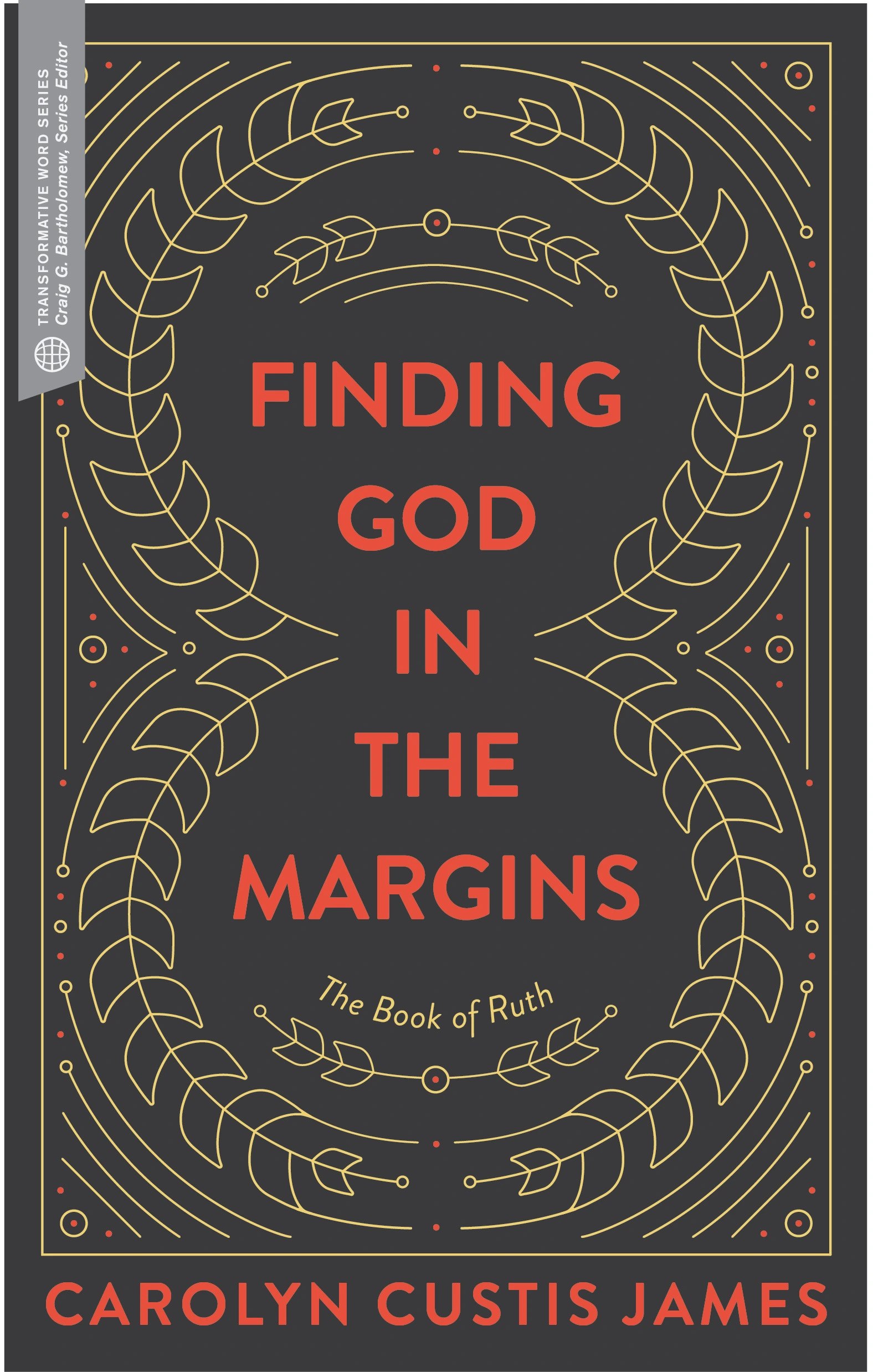
Naomi is a childless post-menopausal widow—a female Job figure who in the patriarchal culture lives at the bottom of the social ladder. Yet God recruits Naomi to become the wise mentor of the king’s grandfather. She draws deep wisdom about God from the school of suffering and teaches us that no matter what shape our lives are in or how little others may think of us, God never counts us out. Kingdom building is a lifelong occupation, and sometimes God is advancing his kingdom in big ways through the efforts of the least among us. This is indisputable.
Through Naomi’s gentile daughter-in-law Ruth, God call his daughters to take responsibility for the needs around us, to live boldly, take risks, fearlessly initiate solutions, and advocate for others even when it means moving out of our comfort zone to engage and challenge the thinking of those in positions of authority over us. This is indisputable.
God raises up Deborah, Hannah, Esther, and countless others as role models for all women, reminding us that he is accomplishing great things through his daughters—shaping nations, instructing kings, and enriching the church with the theology, wisdom, and strength of women both in the past and also today. These women also remind our brothers that they can’t build God’s kingdom without us. This is indisputable.
Add Jesus to these stories. A distinctive of Jesus’ ministry was a radical counter-cultural activism for women. As a rabbi, he violated the status quo that frowned on teaching women by publicly defending their right to learn, openly teaching them himself, and giving them strategic leadership responsibilities as his disciples. He was proactive on behalf of widows, gave top priority to daughters in a patriarchal culture that favored sons, turned the finger of blame away from a woman caught in adultery to confront her self-righteous male accusers, and entrusted women as witnesses and spokespersons for his gospel in a culture that refused to admit female testimony in a court of law. This is indisputable.
Jesus sobers me with his parable of the talents. It’s a serious matter to Jesus when we bury our gifts and talents in the ground instead of employing and investing them for his kingdom. This is indisputable.
Even the Apostle Paul corroborates Jesus’ message by employing the language of anatomy to underscore the fact that women are vital members of the body of Christ, that the whole body needs our gifts and ministries, and that it is hindered if we withhold them. This is indisputable.
Although none of this settles the questions posed by President Carter and Paula Kirby, I want to invite the conversation they provoke by adding more fodder to a discussion I welcome and am convinced the church needs to engage. Women make up half the church and in many places more than half. A lot is at stake in the issues being raised.
So let’s have that conversation.

 Last week, Oprah took her final victory lap after 25 hugely successful years of The Oprah Winfrey Show. Friends and fans gave her a blow-out farewell party to celebrate her legacy and the global following she has acquired (a reach of 150 countries). They also put front and center strong evidence of the powerful impact she has had on women and girls that should not go unnoticed by us.



















 Carolyn Custis James