

One of the lessons we learned quickly when we moved to Florida was that hurricane warnings are serious and call for decisive action. Recent tornado disasters in the central U.S.A. underscore the fact that storm warnings must be taken seriously.
So whenever Florida officials started sounding the alarm of an approaching hurricane, we stocked up with batteries, flashlights, non-perishable food, bottled water, bathtubs filled with more water, and knew which room in the house was the safest place in which to hunker down.
The year three hurricanes came barreling through Orlando and left a hole in our roof, we spent a few nights sleeping in the closet. I never will forget the sober look on my seven-year-old daughter’s face the first time she watched Frank reinforcing the windows.
Hurricanes are scary!
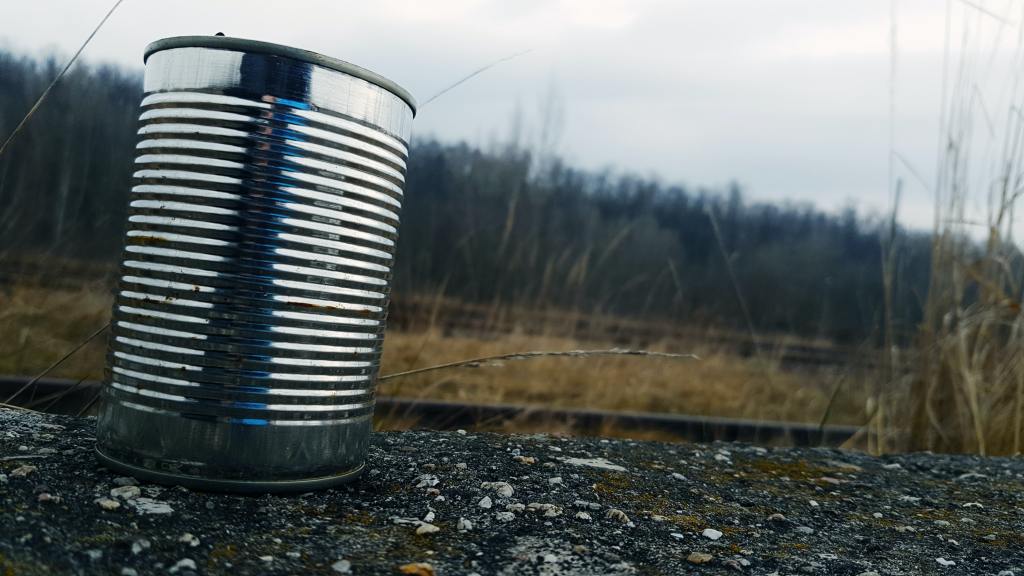
Last week, things got scary again when “This Can of Worms Must be Opened” pried the lid off the spiritual abuse can of worms, and I realized we are looking at the makings of the perfect storm.
Combine individuals possessed of authority and power (who, as we noted last week, are often oblivious to their capacity for spiritual abuse) with individuals spiritually conditioned to submit to authority. Then add devotees/enablers who (out of a misguided sense of loyalty to the person in power and the desire to curry their favor) turn a blind eye to abusive behavior and may even defend it. Suddenly you have ideal conditions for spiritual abuse to bluster up and thrive unchecked.
It is the perfect storm.
The discussion of spiritual abuse isn’t academic for me. It bears the faces of women I know—many are close friends of mine. Trust me, I’m not eager to hear more stories of wounds and injuries and women fleeing the church with no intention of returning—not if I or we together can do something to stop it.
Spiritual abuse is no laughing matter. Like an infection, it has a way of spreading. It is a card-carrying member of a collection of appalling abuses (emotional, verbal, sexual, physical, domestic, the list goes on) that inflict catastrophic damage on human lives and communities. Tragically, one form of abuse can escalate to another and, if allowed to persist, can inadvertently give permission for others to abuse.
None of these abuses have any place among the people of God, although to our shame all of them are present among us in shocking numbers. They must be rooted out, and we cannot rely on others to step up to do the uprooting.
Abuse is a denial of the gospel—which calls us, not to maintain power and control over others, but to use whatever God-given powers we possess to bless and promote the flourishing of others.
Abuse is the antithesis of what it means to follow Jesus—who emptied himself for the sake of others when he could have commanded legions of angels to destroy his enemies. Instead, he died for us.
Abuse is an overt rejection of God’s vision for his image bearers—it works against the forging of men and women into the Blessed Alliance God commissioned to look after things in this world on his behalf.
I am profoundly heartened by the growing numbers of resources and counseling experts addressing this crisis by helping us detect, intervene, and recover both the perpetrators and sufferers of spiritual abuse. Last week’s blog and comments included links to numerous helpful resources and the fact that significant progress is being made.
But I want to do more. No one facing a storm like this should be content with merely dealing with the damage after the fact. We need to be asking what we can do up front to see that abuse doesn’t happen. The problem of spiritual abuse is complex, I know. Abuses can be perceived but not real, real but unintentional, and deliberate and cruelly sinister. What I’m interested in pursuing now is what we can do to prevent it.
I realize spiritual abuse occurs in all kinds of settings and relationships and that both men and women are found among the abusers and among the abused. I want to narrow this discussion to spiritual abuse among Christians in leadership, particularly as men in spiritual leadership abuse women. That’s the main scenario I’m seeing. I suspect whatever gets said will be helpful in addressing other scenarios.
So I’m planing at least six more posts to continue this conversation with the goal of trying to figure out what we can do to stop the abuse from happening in the first place. Dr. Phil Monroe has again agreed to participate.
Here are the topics, along with questions I’m asking to move us forward to preventive action:
- The Abuser: Who are spiritual abusers? Why are they often unaware that their actions are abusive? How can we raise awareness up front to guard ourselves and others from committing abusive actions—intended or not?
- The Triggers: What prompts spiritual abuse? What are the typical triggers? What power structures allow for spiritual abuse?
- The Abused: What makes a person vulnerable to a spiritual abuser? Why are they unaware (at least at first) that the behavior they’re encountering is spiritual abusive? Why aren’t they equipped to stand their ground when it starts? What can we do to prepare women and girls to detect it, to stop thinking someone else will rescue them, and to stop the abuse themselves before it starts?
- The Underlying Belief System: This one takes us deeper—to the heart of the problem and will be harder for some to consider. But I’m asking you bravely to engage this question: What biblical interpretations have we embraced about leaders and subordinates, about men and women that fuel this crisis, and are we willing to reexamine our own beliefs?
- The Enablers: What behaviors enable spiritual abuse? What prompts people to enable spiritual abuse by ignoring it? Why does loyalty to Christian leaders trump the needs of those who are abused? How do we love the abuser enough to have that awkward but honest conversation? How do we love the church enough to get in the way of abuse and become part of the healing process?
- Moving Toward Prevention:What can we do proactively to stop abuse before it starts? When difficulties, changes, conflicts, and personality clashes arise, how can leaders address and manage them in healthy, constructive ways? What should we say about biblical teaching on authority and submission? What can we do to ensure our place of work is a safe place for everyone? What safeguards can we put in place to embolden people loyal to an abuser (or to an alleged abuser) to be enough of a friend to confront them? What have others done to pre-empt spiritual abuse in their churches or Christian organizations? What concrete initiatives can we launch to prevent this problem from happening within our ranks?
All of this is just talk if it doesn’t lead to concrete action. The Body of Christ is meant to be a sanctuary from harm, not a site where harm occurs with impunity. We can’t just open that can of worms, observe the problem and walk away.
All of this is just talk if it doesn’t lead to concrete action. The Body of Christ is meant to be a sanctuary from harm, not a site where harm occurs with impunity. We can’t just open that can of worms, observe the problem and walk away.
I want to incorporate questions you may have. If you could sit down with Dr. Monroe, what would you ask him?
Here is the complete series on Spiritual Abuse:
- Introduction: Lean In: Seek and Speak Your Truth
- Part 1: This Can of Worms Must be Opened
- Part 2: The Perfect Storm
- Part 3: The Many Faces of Spiritual Abuse
- Part 4: Identifying the Triggers of Spiritual Abuse
- Part 5: Standing Up to Spiritual Abuser
- Part 6: The Underlying Belief System of Spiritual Abuse
- Part 7: The Enablers of Spiritual Abuse … or When Silence isn’t Golden
Dr. Phil Monroe on Spiritual Abuse:
- Spiritual Abuse: What it is and Why it Hurts
- Why Do Some Spiritual Leaders Abuse Power?
- What Factors Support the Use of Spiritual Abuse?
- Four Belief System That Support Spiritual Abuse
- Do You Enable Spiritual Abuse?
- Failures to Act—Why we don’t always blow the whistle on abuse
Also by Frank A. James: Structural Patriarchy’s Dilemma for Women
Mary DeMuth: Spiritual Abuse: 10 Ways to Spot It
Rachel Held Evans: Series on Abuse














 Carolyn Custis James