Pink Smoke and Protestant Popes

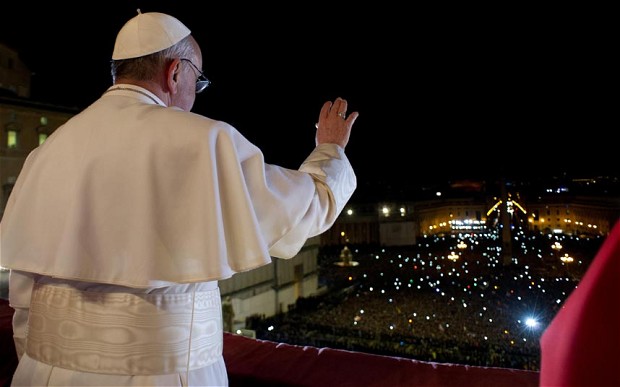
The new face in the Vatican—Argentina’s Cardinal Jorge Mario Bergoglio, now Pope Francis—caused hopes to surge among Catholics around the world that reform is on the horizon.

Described as a humble unpretentious priest, who cooks for himself, rides the bus to work, and has a heart for the poor, Pope Francis has become the focus of unending speculation about what shape reform might take under his pontificate.

Just days before the first puff of white smoke wafted out of the Vatican chimney to announce the election of a new pope, the Pew Forum on Religion in Public Life released poll results on what American Catholics believe the new pontiff’s priorities should be. The clear front-runner among a list of serious issues was the “scandal over sex abuse by clergy.” The numbers were emphatic: “34% of U.S. Catholics mention sex abuse, pedophilia or some other reference to the scandal. No other problem garners more than 10% of responses.”

As a non-Catholic, I shared in the suspense along with thousands of Catholic faithful who kept vigil at St. Peter’s Square as they awaited the new pope’s inaugural appearance on the Vatican balcony. I listened to the speculations and wondered too what reforms the new pontiff would introduce.

As a woman, I noticed the pink smoke from a group of Catholic women protesting the absence of female voices in the conclave and in decision making within the Roman Catholic Church. Later on I watched Bob Simon’s 60 Minutes report on American nuns seeking a place at the all-male leadership table in parishes and church hierarchy. I was disheartened to learn that the Vatican deployed Seattle’s Archbishop Peter Sartain to rein in the renegade nuns and bring them into compliance with Church teaching that excludes them because they are female.

As a Protestant, I can’t help seeing parallels between issues facing today’s Catholic Church and those confronting the Protestant church.

No, Protestants don’t have a pope; we have a myriad of popes—pastors and leaders who speak with a quasi-divine authority and whose teachings are regarded as virtually infallible by their devoted followers. Clergy sex abuse scandals and cover-ups are not unique to the Catholic Church; they also occur with devastating effects in Protestant churches. We may not have pink smoke in our services, but Protestant women are troubled too by the lack of women at the leadership table and over decisions made by all-male leaders in many local churches and denominations. We know this inevitably means costly blind spots go undetected in the church’s ministries, messages, and priorities—causing harm and missed opportunities.

Protestants also need to pay more attention (and thankfully more and more are) to the same justice issues—poverty and abuse—that today are on the radar of Roman Catholics. This is consistent with our shared history as followers of Jesus. Historically early Christians were known for their care of the poor and defense of the helpless. To address these justice issues today will mean having our eyes opened to the scope and depth of the problems—both inside and outside the church.

Gaining ground against all forms of abuse—including abuse of power, sexual, spiritual, and emotional abuse, domestic violence, as well as sex-trafficking and pornography—will be sporadic until women are routinely part of church leadership. We can no longer accept church leadership that rebukes abused women for failing to submit to male authority and sends them back into harm’s way to try harder. I am reminded of one Protestant church that did not take this seriously until the wife of a church leader showed up at church with bruises and black eyes.

Remarkably, the key to achieving the reform so desperately needed by both Catholic and Protestant churches was right under Pope Francis’ nose the moment he stepped out on the Vatican balcony and owned his new name. Clues can be found in that cloud of pink smoke and in the legacy of his patron saint, Francis of Assisi.

In the wake of the Pope’s election, Maureen O’Connell, Associate Professor of Theology at Fordham University, brought to light an overlooked but key strategy in the relentless battle Saint Francis of Assisi waged against poverty. He joined forces with a woman—Saint Clare of Assisi, Founder of the Poor Clares. According to O’Connell,

“Like most heroic dynamic duos, these two were revolutionary. They confounded social expectations, rejected excessive wealth and power, and inspired upright living. In some ways, their partnership should be nothing new for followers of Christ, since women were pivotal both to Jesus’ ministry and the early Jesus movement. But since such partnerships remain a rarity, Francis and Clare might remind the new pope: if you want reform, work with tenacious women.”

What happens next? Maybe Pope Francis will set the example for Catholics and Protestants alike by joining forces with some renegade nuns as he pursues real reform. One can only hope.

 Published on the Huffington Post Blog:  http://huff.to/Zwal5X

Posted in Uncategorized | Leave a comment

Abuse and the Church

Are you following Rachel Held Evans’ latest series, “Into the Light: A Series on Abuse and the Church”?

This eye-opening series calls attention to an epidemic that touches all of our lives in one way or another and is wildly out of control in the church and in the wider culture.

The series features courageous and moving posts by abuse survivors, as well as solid advice from experts with years of experience working with survivors of abuse.

This is one of the most serious issues facing the church today and all of us need to be better informed so we can raise the issue with leaders in our churches and organizations and direct them to credible resources that will help us all become part of the solution, instead of contributing to the suffering despite our best intentions.

The latest post today, “Are you getting proper treatment for your sexual abuse? 7 questions to consider”, is a rich resource written by Dr. Phil Monroe, a psychologist with 25+ years experience of counseling abuse survivors.

Phil is on the faculty at Biblical Seminary (where Frank becomes president this July) and is a colleague of Dr. Diane Langberg. Together they direct Biblical’s  Global Trauma Recovery Institute  a ground breaking training program for trauma counselors—another big reason why Frank and I are excited about joining the Biblical Seminary community.

If you’re thinking about pursuing a career as a counseling professional, you should check it out. 

The series runs all week, but here the other posts so far:

“The Scar of Sexual Abuse” by Mary DeMuth 
“No More Silence: An interview with Boz Tchividjian of G.R.A.C.E.”
“Today’s Journey: Thoughts on Healing” from Grace Biskie

Posted in Uncategorized | Leave a comment

"You have no idea …"

The potency of the book of Ruth—the real gutsy ezer story I’ve written about in The Gospel of Ruth, not the happily-ever-after Cinderella romance version we’ve been fed for too long—is changing women’s lives, including mine! Nothing quite equals hearing a woman say, “I will never doubt my relevancy in the kingdom again.”

May more of us soon be able to echo those words. I am so grateful for this powerful Old Testament message and for the opportunities I have to get it out.

Thanks to Tumelo Moloto for this photo, which she posted on Facebook along with her impassioned feedback after reading The Gospel of Ruth

“You have no idea how much this book has impacted my life. Really a blessing and I wish all women could read it. I will never doubt my relevancy in the kingdom again. So much confidence now that I have no need to doubt that as an image bearer, Ezer I mean so much to Him, because it’s all about Him. Thank you so much for your dedication to the kingdom & may the Almighty continue to bless you and all the works of your hands Carolyn Custis James ❤!

Tumelo Moloto, Paris, France

Posted in Uncategorized | Leave a comment

Guys Who Get It

During an open forum session at the Synergy2009 conference, after I finished speaking on the Blessed Alliance, someone asked the question, “Can only egalitarians become a Blessed Alliance in ministry?”

Quick aside: Synergy attendees are a healthy mix of both Complementarians and Egalitarians. A lot of interesting friendships have developed. But that question took the oxygen out of the room.

So I responded to that question with another one. How many women here are involved in ministry because of a man who opened a door, mentored, and cheered you on?”

Nearly every woman in the room shot her hand up.

So when I read Marlo Thomas’ Women’s History Month tribute on Huffington Post—”Guys Who Get It: The Men of the Women’s Movement“—I thought it’s time we paid tribute to the men in our lives who get it. Men who believe in us, affirm our gifts, open doors for us, and back us all the way.

I can name several, but will start out with the man who has had the biggest influence in my life and heads my list—my scholar, country music loving, husband, Frank James.

It’s an understatement to say marriage to Frank has been quite an adventure. You’d think by now I’d be used to it, but I’m still reaching for the seat-belt. When we first married, I thought I knew how marriage was supposed to work. I had the recipe and was ready to embrace the traditional role that was mine as a wife. Was I in for a surprise!

Frank had a totally different vision of me and how we would work together.

He believed in me, took my gifts seriously, and wanted me to flourish. He never had the slightest expectation that I’d suspend them once we married. He wanted my support for God’s calling on his life, but also believed I had a calling of my own. I still find it hard to describe the impact on me or how my horizon suddenly widened when he said, “You need to find out what God wants you to do with your life, and I’m not the answer to that question.” I didn’t see that one coming.

Throughout our marriage he’s opened doors for me, challenged my self-doubt, and pushed me through the opening. On the other side of that door—whether in my unexpected detour from ministry into my own business in England as a software developer, owning my voice as an author, traveling unexpected distances, or overcoming my fear of public speaking—he has always been there for me to cheer me on and to join me in thinking through challenges, solving problems, and brainstorming ideas. As for me, I’ve enjoyed experiences—adventures and opportunities—I never could have imagined.

Who knew married life could be this fulfilling!?

On the flip side, I’ve discovered better ways to support him in his calling than I first envisioned—ways that have blended our lives together in deeper ways that I thought possible.

He often tells his students how in those first months of marriage I resisted typing his seminary papers. In my defense, I was only following what I believed was the sound premarital advice I’d received from a trusted older friend and pastor’s wife—who warned me that “of typing papers for a pastor or academic, there is no end, so don’t get started!”

If you know Frank, it won’t surprise you that he didn’t give up easily, and that was a good thing for us both. By typing his papers, I got into his head. I began to to interact with him about his work and was able to throw myself behind what God was calling him to do in ways I hadn’t anticipated.

So I pay tribute to Frank James—he gets it!  Sometimes I tell him, “You’re not the man of my dreams. I couldn’t have dreamed you up!”

I expect I’ll get more responses on FaceBook (as usual) than here, but what about you?  Who are the men in your life “who get it”? Regardless of what you’re doing with your life, what man has been your best advocate?

Posted in Uncategorized | 13 Comments

International Ezer Day

CARE International Photo

Today is International Women’s Day, and I have my own take on it. I prefer to call it International Ezer Day or IED for short, which I am delighted to say connotes a warning: Be careful and don’t step on an ezer. You will be sorry you did.

Today is a day to celebrate women and to express gratitude their achievements—both well-known women who succeed on the global stage and who have fought valiant battles for all of us and those who live courageously in other arenas and have impacted our lives in countless ways. I am especially grateful for ezers in the church who have stood tall in the face of opposition, rejection, and persecution and paved the way for the rest of us. They are brave ezer-warriors, and I salute them.

Today is a day to heighten public awareness to the suffering, injustices, and atrocities women and girls endure simply because they are female. It is also a day to awaken the conscience of the church over our slowness to engage this battle and to examine how women are marginalized and abused within our own ranks. Growing numbers of Christians are rising up to engage this horrific global battle. But it’s fair to say, we aren’t making nearly enough noise about what’s happening, showing nearly enough leadership in this crisis, or mobilizing nearly enough people, organizations, resources, and governments to bring an end to these evils.

Renaming today International Ezer Day elevates this discussion to a cosmic level. It means this day carries profound importance to the church and places enormous responsibility on us to set the standard in valuing and championing God’s daughters and their gifts. 

I keep reminding folks (and I promise not to stop) that when God created the woman he prefaced her creation with the unqualified statement that, “It is not good for the man to be alone.” Then God declared the woman an ezer (helper/rescuer/warrior)—the very same descriptor used of God himself. This is not to suggest that women are semi-divine, but rather to stress their role in ruling and subduing the earth along with the man. To accomplish his divine plan, God did not to create another man. He created a woman—an ezer-warrior.

The gifts we celebrate today come from God who designed and entrusted them to his daughters, not simply for their personal fulfillment, but to bless the world and advance the missio dei on earth. To marginalize women’s gifts is to attempt to undermine the kingdom strategy God inaugurated at creation.

The marginalization of women and their gifts and the atrocities against women and girls we are witnessing today are alarming symptoms of a world that is recklessly self-destructing. Desperately needed God-given gifts for the world are being squandered and discarded. The rape, abuse, trafficking, and killing of ezers is an affront to God that gives the Enemy an advantage and puts the world in a perilous state of affairs—more dangerous I suspect than any crisis currently commanding the headlines and unsettling the world for it strikes at the core of God’s vision for the world and has spread like an unstoppable virus, infecting every culture in the world.

So let us celebrate International Ezer Day—soberly mindful of what’s at stake for all of us. And let us resolve with unflinching determination to employ our own strengths and gifts to become part of God’s solution.


Every morning, as the light of dawn breaks over the planet, countless ezers — women and girls — are waking up all over the world. . . . the potential force for kingdom good and the storehouse of gifts and ability that reside in the church’s ezer population is simply staggering. God’s global vision for women unlocks that potency, unleashing an unparalleled message of hope and an endless array of kingdom possibilities that ripple out from home, family, and community to reach untouched places where human suffering and female oppression sink to unimagined lows. . . . One hundred years from now may it never be said of this generation of ezers that we folded our hands and left God’s kingdom work to others. May it never be said that we ignored the cries of the helpless and focused on ourselves. Let it instead be said that God used those cries to awaken a sleeping giantess and filled her with a terrible resolve — half the church, angered and outraged at the unchecked forces of evil in God’s world. That we made up our minds to do something, that our efforts forced the darkness to recede, and that we left the world better off than we found it. May we be remembered as a generation who caught God’s vision, faced our fears, and rose up to serve his cause.”

Posted in Uncategorized | Leave a comment

Losing Plan A

A lot of Christians live with the subterranean conviction that they are living on Plan B. A tragic loss, a bad decision, a streak of rebellion and careless living, the evil actions of someone else—and Plan A went up in smoke. 

But think about it for a moment. If God’s purposes depend upon a perfect resume, a life unscathed by this fallen world, and a Cinderella outcome, what hope is there for any of us? Even for those whose stories are playing out according to their dreams, the next phone call could unravel everything.

For years I believed I was on Plan B.  But everything changed for me when I realized God has a plan that includes my story—the whole thing. His Plan A is indestructible and moving forward for each of his children in the midst of our brokenness, disappointment, sins and failures, and whatever else we encounter in this fallen world. He has anticipated all the contingencies a fallen world would introduce.

Let me say this as emphatically as I can: there is GREAT MYSTERY to this. 

Knowing that nothing in this fallen world can or will stop God from accomplishing his good purposes boggles the mind, but is not the same thing as being able to explain him, getting answers for all our “Whys?” or even liking what is happening. Plan A isn’t about calling evil good or plastering a spiritual smiley face on atrocities. Nor should Plan A ever be confused with the American Dream or any other airbrushed vision of the illusory perfect life here on earth. I keep asking myself how this would sound to a 14-year-old girl in Cambodia who has been sold to sex-traffickers by her own parents? I don’t fullly understand God in such circumstances, and that is where the mystery lies.

As I reflect on Plan A, it is really about God and all the complexity that entails. It also includes each of our personal stories—which somehow will accomplish his good purposes for us and for his world. It is about how he is shaping us into a people who march to the beat of a different Drummer, who go deeper with him in all the hard places of life, and who live believing God’s purposes override whatever state we’re in regardless of how we got here. Plan A is where God uniquely stations each of us in the battle to advance his kingdom in our hearts, for those nearest and dearest to us, and for his world.

So I was encouraged by the email below from a reader responding to When Life and Beliefs Collide and who now sees her whole story—not just the okay parts—as a place where God’s good purposes for her are still at work.


I have been one of those who subconsciously felt I’d veered too far off God’s path for myself through my own choices as a prodigal daughter who married an unbeliever. Getting involved with an anti-sex-trafficking NGO and joining in God’s Kingdom work against this unspeakable injustice has ignited a passion in me and soothed my soul because I know without a doubt that this is a part of His plan for my life that I didn’t miss.

It feels exhilarating and purpose-driven to be in the center of God’s will.This new part of my life had given me that sense.

Meanwhile, the rest of my life, especially the last 6 years, has been a struggle that has grown more and more intense with each passing year it seems. During this period, God prepared me somewhat for the loss of my mother when I read Jerry Bridges’ Trusting God Even When Life Hurts about a year before she died. This March will mark the 6th anniversary of her death and entry to eternal life. Even with the tremendous pain of that loss, I could still accept God’s sovereignty and goodness.

However, it’s been in the spiritual battles, loneliness, isolation, and conflicts that come in doing life with an unbelieving spouse that I’ve unknowingly been clinging to my own bad theology. In raising kids who are confused (even defiant/resistant at times) about God because Mom and Dad believe differently, in struggling to stay connected to a husband that I can’t relate to in the most intimate and spiritual way, I’ve lost sight of who God is in the middle of this.

Sure, I thought I had it all figured out and my theology was on track. I was keeping my focus on Jesus, pressing in to Him to fill those deep voids in my life, but somewhere along the way I subconsciously decided that I was in Plan B. Of my own doing, I’d veered away from God’s best for me. I knew that He could and most certainly would use it all for good. He’d make the best of it with me. We’d somehow “white-knuckle it” together until all the struggles and pain of this life gave way to eternity when all would be made right, but… this would pale in comparison to the life of plan A that I could’ve had if I’d made better choices.

So, the turning point was reading this quote below, which hit me square in the face. God knew I desperately needed to be reminded that His Sovereignty is not thwarted or threatened by my actions/inactions or my good/bad choices. Twice I have shared this quote in the past few weeks—once with my women’s Bible study group and once with a friend in ministry to spiritually mismatched couples.

“Those who believe that God has a plan for them sometimes encounter another problem—the conviction that they have lost God’s best plan for them. They believe that they have missed or fallen off the plan, or that something has happened to destroy it….Somewhere along the line, we zigged when we should have zagged, and now we’re hopelessly stuck with Plan B… But if God is sovereign, then plan B is a myth. No matter how dark things look to us, or how big the mess we’re in, we’re in plan A. God’s plan for us is intact, proceeding exactly as he intended, neither behind nor ahead but right on schedule. Nothing—not our sins, failures, disappointments, bad decisions, nor the sins of others against us—can deter a sovereign God from accomplishing his purposes….”

Reading these words penetrated a deep, dark place in my soul that I didn’t even know was there. It was there because of my bad, misguided theology about God. I can’t tell you the countless times I’ve asked the question posed in the book: “If this is God’s plan for me, how do I move forward? How do I run the race he has marked out when I am disappointed with it?”

Just as I felt mobilized and emboldened to act after reading Half the Church, I am now as mobilized and emboldened about the rest of my life’s plan—the whole of it, my marriage and the sometimes incessant challenges of navigating a spiritual mismatch in our own relationship, raising kids, etc. It truly is only in life’s struggles that we actually “pick up our theology and begin to use it.”

I’m only halfway through the book but I can already attest to this: “The payoff for everything we have learned about God comes when we embrace our theology and cling to him…(this) gives our faith a solid footing and puts our unbelief to flight.”

This is music to my ears.

Posted in Uncategorized | Leave a comment

For my Synergy friends

“To every woman who is showing up day after day to use your gifts as best you can, I simply want to let you know that you have no idea the impact you are having.  There are men and women who will be enriched by your voice and perspective. Young boys and girls also have their eyes on you – you show them what is possible and redefine what is “normal” in church for them.  When you wonder if it matters, when you want to give up and stop putting yourself out there, taking risks and reading the negative emails, when you feel lonely at the table, when you are not sure if you are even doing the right thing…please don’t give up. Remember your church needs your voice, and your presence is providing a richer, fuller, truer representation of the God who calls us all, male and female, into the life-changing work called full-time ministry. The wider church needs to see more and more examples of how your contribution matters.”

Nancy Beach, from “Women in Ministry

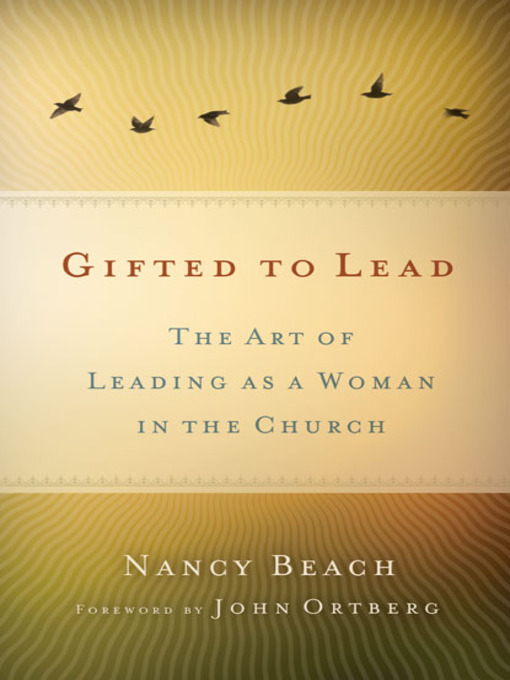
To read more from Nancy, check out, Gifted to Lead: the Art of Leading as a Woman in the Church. It’s full of gentle wisdom for both women and men—regardless of your position on the gender debate—who want to find better ways of working together. If you attended Synergy2009, you already have a copy, courtesy of Zondervan.

Here’s my endorsement:

“Women in leadership will discover a treasury of wisdom in Nancy Beach’s thoughtful discussion of the everyday challenges they face. Men—those who fully embrace women’s gifts and those who do so with reservations—will find much to ponder on these pages. Even if you don’t share her perspective, please keep reading. This is an important book that actually models the kind of wise, winsome leadership Nancy advocates.” 

Posted in Uncategorized | 1 Comment

Call to Prayer & Fasting for China!

AllGirlsAllowed.org has issued a call to prayer and fasting for China this Tuesday, March 5th that God would “bring a swift and final end to the One-Child Policy.”

On Tuesday, China will officially install Xi Jinping as President at the gathering of China’s 12th National People’s Congress in Beijing. This change in government will result in other changes which can intensify the often brutal enforcement of China’s One-Child Policy or bring it to an end. You can read more about the potential impact of this transitional event in China’s government here.

In 2011, I had the privilege of interviewing Chai Ling and hearing more of her incredible journey (see below). Ling is Founder of AllGirlsAllowed and author of A Heart for Freedom: The Remarkable Journey of a Young Dissident, Her Daring Escape, and Her Quest to Free China’s Daughters. She is a relentless activist for China’s women and girls. In December 2012, she was a plenary speaker at Urbana and last weekend at the 2013 Justice Conference in Philadelphia. 

Please add this to your lenten prayers and join this important prayer effort.

Posted in Uncategorized | Leave a comment

Women of Liberia meet Naomi and Ruth

Any author will tell you—letters from readers can be priceless. At least the positive ones.

This week I received two on Facebook from readers of The Gospel of Ruth that contained the kind of encouragement that keeps me going.

If you aren’t familiar with The Gospel of Ruth or haven’t yet read it, I hope their words will inspire you to read it. 

The first message came from a pastor who described The Gospel of Ruth as “the best commentary on Ruth I have ever read,” adding that it “was used powerfully in my life by God” and that it was currently in his book bag to take to his prayer-and-accountability partner who had asked to borrow it for a week.

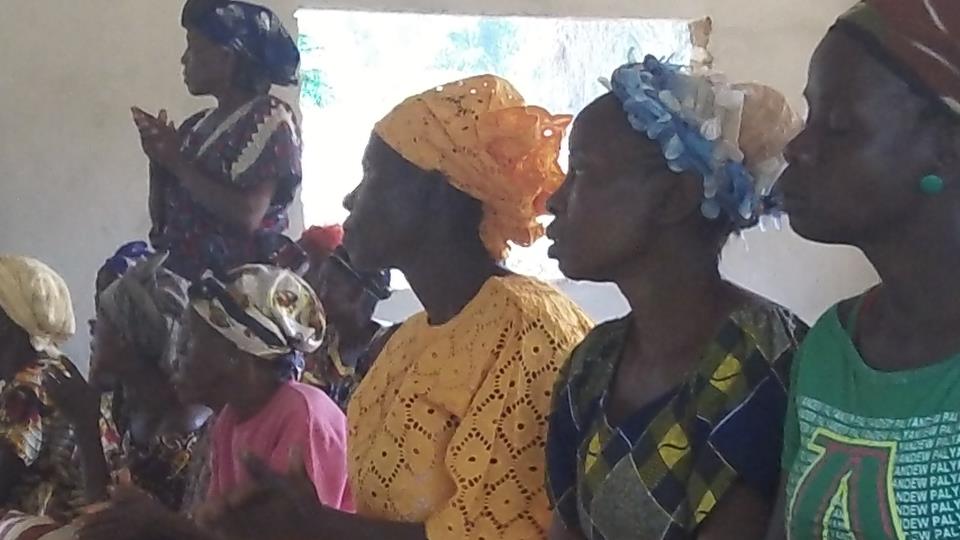
The second came today, from Shelly Timbol (Empower Women Leaders) who just returned from her latest trip to Liberia. She wrote about how the message of The Gospel of Ruth is touching down in the lives of Liberian widows whose stories parallel the struggles of Naomi and Ruth.

Hi Carolyn,

I just returned from my third trip to Liberia, West Africa. On this trip I traveled to the interior on an invitation from a local pastor to bring a message of encouragement to a group of 85 widows and about 30 other women who he ministers to from several small villages.

These folks did not speak English but have a Bible in their native dialect which had been translated for them years earlier by missionaries with the Inland Church.

I had planned on retelling the story of Ruth to these dear women. I was excited to do so especially after reading your book The Gospel of Ruth. I wanted to show the ladies how this book’s central theme was the love God has for them, the purpose He has for His daughters and I also wanted to highlight how the devotion of one woman to another kept them going so that they could receive the full blessing God had for them.

Carolyn, to my great surprise these women had never heard the story of Ruth! The translation of scripture they had did not include all of the OT books. So when I shared the book of Ruth with these women it was the first time they heard the story of Naomi and Ruth and the first time they learned how God cared for these women and how He used their strength in His story.

These dear ladies gasped, and sighed during the telling of the story and at the end they all clapped! The testimonies at the conclusion showed that hearts had been touched.

It was a great, great privilege to be in that moment.

I want to thank you for your study and work of sharing your insights. God is using the message He’s blessed you with to bless many others, and last month He used your insights to bless about 130 women in the interior of West Africa!

With sincere gratitude,
Shelly

Posted in Uncategorized | 4 Comments

Unfiltered Wisdom

“The world has a hole in it now.”

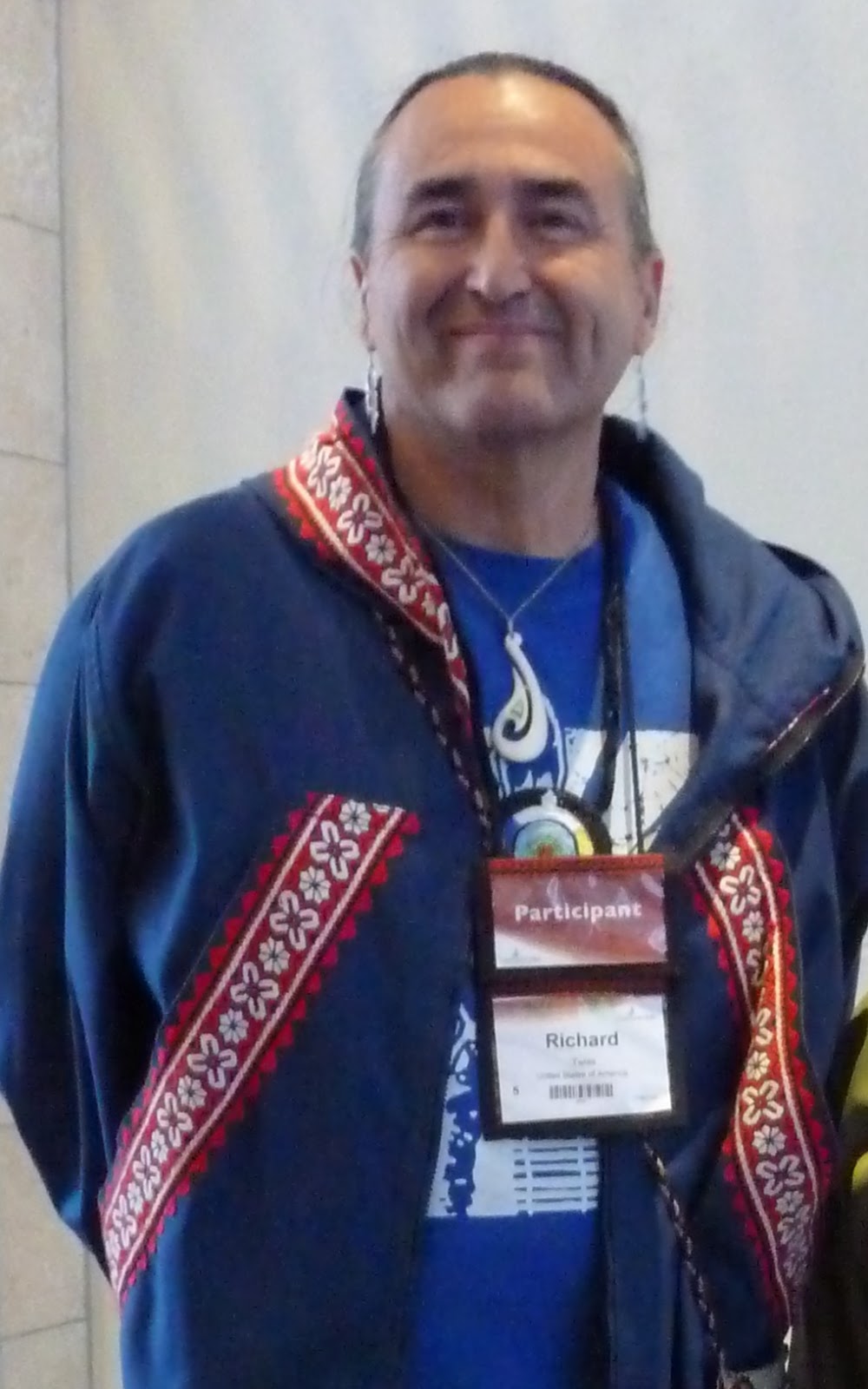
Nicholas Wolterstorf’s agonized words after the tragic death of his son carry fresh meaning for the family and friends of Richard Twiss whose journey on this earth came to an abrupt end Saturday after he suffered a massive heart attack. The outpouring of love and loss on the Internet from those whose lives he touched gives a sense of the void they are feeling.

My only face-to-face encounter with Richard was at Lausanne in Capetown, South Africa back in 2010. When I was being herded through customs with other passengers, one man stood out from the rest. He was taller than everyone else, with long braids down his back, and dress that distinguished him as Native American. I remember thinking, “That would be an interesting conversation. I hope he’s going to Lausanne.”

Our paths crossed between sessions at the conference. The conversation that followed was brief, but poignant. He opened my eyes to a world and a culture I knew next to nothing about. It is one thing to read about Native Americans (First Americans); it is quite another to hear Richard Twiss tell his own story. To be sure his story as a First American and mine as a woman were different, but the perennial story of marginalization was the same.

Richard wrestled with questions about how the gospel plays out in the lives of Native Americans and in their culture. He wanted to know if following Jesus also meant becoming white—a hard pill to swallow, given the fact that being Native American is their DNA, not to mention their long history of suffering injustice and genocide. When a Native American turns to Jesus, how much of themselves and their culture must they leave behind? Does Jesus in fact redeem the culture—theirs and every other culture too—and bring it to its fullest expression and purpose, or does conversion mean losing cultural distinctives to blend in with the majority evangelical world—the dominant Christian culture?

Richard wrestled with how the church so often views Native American believers as “needing help” and fails to see the richness they bring to the church’s life and ministries or how their heritage and perspective can enrich our understanding of theology and the Bible. Why has the evangelical church so ignored First Americans and what have we missed by excluding them?

It was a deep conversation to say the least.

My conversation with Richard was a powerful reminder that these issues deserve the whole church’s most thoughtful and serious consideration. Other minorities are impacted by where we land on the question of what constitutes oneness in the Body of Christ and how we value and need those who are different from ourselves. What does God mean for us to learn from them? Globalization, immigration, Richard Twiss’ story—and I would add also the ongoing discussion about building a true Blessed Alliance between men and women—place these issues front and center.

The damage isn’t confined to them, but touches the whole Body of Christ in profound ways. The very health, life, and mission of the church are harmed when we arrogantly refuse the gifts and ministries of others as unnecessary, when in fact the Spirit has entrusted gifts to them that we all need. We have much to learn from each other. We may be willing to add another place at the table, but are we ready to listen and to embrace the changes that new person’s presence and voice will require?

Richard fought to retain both his cultural identity and his voice—not out of a sense of arrogance or insensitivity to others, but because of his passion for the Native American people and the richness of their culture, his hunger to understand God’s word more clearly, and the recognition that a single dominant cultural perspective is wholly inadequate for the understanding of God’s word.

Thanks Richard for an enlightening conversation. Perhaps it was appropriate for it to have taken place in a land scarred by apartheid.

Richard Twiss’ journey may be over but, like Abel, his voice still speaks—through recorded messages, his writings, and those who will follow in his footsteps—and for that I am grateful.

As his friends wrote online, 

“Richard is loved by countless people for his love for life, the ways of Jesus, and justice for Native peoples. His heart breaks for the damage done to Native peoples in our country and longs for a hope-filled future for them.”

Paul Louis Metzger

“My prayer is that God will raise up other Richards who will continue the work he began. Richard was a righteous warrior servant who worked to overcome years of disconnect between the Gospel and Native American cultures. May the drums resound as Richard enters the presence of his Creator.”

Alan MacDonald 

Leadership Journal published Richard’s story, told in his own words: “Another Path of Jesus”

His ministry: Wiconi International
His books:   One Church Many Tribes: Following Jesus the Way God Made You
                     Rescuing Theology from the Cowboys

The video below makes sense of one friend’s description of Richard’s “unvarnished wisdom.” His words shed much needed light on blind spots in our Western, American history and thinking. We need to hear this missing and enriching perspective .

Guest Speaker : Richard Twiss from Antioch Church on Vimeo.

Posted in Uncategorized | Leave a comment