

In July, when I was in the airport and spotted an abandoned backpack, I didn’t assume it was someone else’s responsibility. I knew the drill. “If you see something, say something.”
So I did.
One of the many disturbing aspects of spiritual abuse and a prime reason that it thrives unchecked in so many churches and in highly respected Christian institutions and ministries is because instead of “saying something” when signs of abuse surface, we take the path of least resistance.
“If you see or hear something, mind your own business!”
We may be innocent of perpetrating abuse ourselves. But that innocence doesn’t count for much if we become enablers of spiritual abuse others perpetrate.
No one is in a position safely to assume they’re immune to becoming an enabler. We are all, at one time or another, subjected to the kinds of pressures, expectations, and behavior patterns that produce enablers. More often than not there’s a price to pay for refusing the enabler role and speaking out to address an abusive situation. Throw in the spiritual dimension, and we’ll all end up second guessing ourselves instead of standing up to wrongs.
Psychologist Dr. Phil Monroe contributes two articles on this topic that highlight the causes and the symptoms of enabling that deserve our careful consideration.
Please read both articles and then take a good long look in the mirror.We all need to do this.
For the person on the receiving end of spiritual abuse, nothing is more crushing than silence after they finally gather the courage to tell their story to someone, and the person they turn to for help is dubious or passive or, worse, becomes complicit in the abuse.
Aloneness never felt so alone!
There’s no getting around the fact that spiritual abuse situations are complicated. Even, as Phil describes, sometimes the abuse victim reaches a point where they may seem to be overreacting. People who have never been targeted by an abuser, can’t possibly understand the emotional toll this kind of abuse can take. But where abuse of any sort exists, not to act, is to enable. Passivity and indifference, regardless of the reasons, are ways of enabling the abuser to continue.
Sadly, an enabler can be just as trapped in the abusive system as the victim. They can be just as intimidated and fearful—and for good reason. If they speak up, they may fall from favor, forfeit their place as an insider, become the target of abuse and character assassination, even risk losing their job or future promotions.
They can and do pay a price.
Obviously, the easiest course of action is to do nothing, to keep their head down, and avoid the conflict. Sometimes, to prove their loyalty to the designated spiritual authorities, an enabler defends the abuser and participates in a cover-up. Sometimes the enabler actually engages in a form of abuse by scolding the victim to stop being so divisive, unspiritual, and disloyal, to trust God to take care of things, and to forgive their abuser.
“We’re all sinners, you know.”
Enabling can be passive or active, and any one of us can assume that role. As Phil says,
“Our own weaknesses plus the pressures of our community and the manipulative actions of offenders conspire to make inaction the easier choice.”
There’s little doubt that the potential enabler faces a tough situation. They’re confronted with the choice of acting to be a force for good by addressing the abuse or becoming party to it in one way or another. The pressure is tremendous and a lot of well-intentioned people cave in.
So it’s important for us to look the role of the enabler cold in the eye.
Enabling is not a neutral course of action. The enabler actually escapes nothing despite their desperate efforts to avoid trouble for themselves and take the easy way out. It’s a classic Catch 22 for the potential enabler. No matter which way they turn, they face risk. But here’s the kicker: the price of becoming an enabler is significantly higher than the price anyone will pay for openly addressing and opposing abuse.
Think of it! To enable abuse, puts us in conflict with the gospel and in opposition to God’s vision for us as his image bearers. It is antithetical to how we are to live as followers of Jesus. Enabling creates a scenario where everybody loses—the enabler, the victim, the abuser, and the organization that has become a shelter for abuse.
Despite the driving motive to protect, absolutely nothing and no one is protected.
- Enabling calls us to forfeit our dearest commitments—to supplant our primary loyalty to God with a loyalty to a person or organization whose actions oppose the ways of Jesus.
- Enabling exposes the victim to greater risk, for instead of having an ally in this battle, they are abandoned yet again and their ability to trust a fellow Christian has suffered yet another blow.
- Enabling protects corruption within a church or Christian organization by tolerating and supporting corrupt behavior and opens the door for abuse to spread to others.
- Enabling hurts the enabler whose attempts to self-protect backfire, for it promotes weakness of character, fear, and cowardice instead of the brand of courage and self-sacrifice following Jesus requires.
- Furthermore, enabling does no favors for the abuser, for instead of confronting their sinful abuse of power over others, the enabler reinforces the abuser’s clutch of power, sense of entitlement, and prerogative to abuse others.
This whole discussion reminds me once again that some of the biggest battles we will ever face as followers of Jesus are the battles we must fight with ourselves. Fear and misplaced loyalties can have an iron grip hold on us. But our first loyalty is to Jesus. As Jesus’ followers, we must not allow our own weaknesses, fears, peer pressure, and cultural conditioning to stop us from stepping up and speaking out with courage when there is spiritual abuse.
These are the very battles Jesus calls and equips us to fight.
“So if you see or hear something, say something!”
How is the role of the potential enabler crucial in breaking the cycle of abuse? How have you seen that happen? What damage have you witnessed or experienced because of enablers? What encouragement can we offer those who are currently battling fear and the urge to go silent because of abusive situations?
Please join in with your comments.
Here is the complete series on Spiritual Abuse:
- It all started with Lean In: Seek and Speak Your Truth
- Part 1: This Can of Worms Must be Opened!
- Part 2: The Perfect Storm
- Part 3: The Many Faces of Spiritual Abuse
- Part 4: Identifying the Triggers of Spiritual Abuse
- Part 5: Standing Up to Spiritual Abusers
- Part 6: The Underlying Belief System of Spiritual Abuse
- Part 7: The Enablers of Spiritual Abuse … or When Silence isn’t Golden
Dr. Phil Monroe on Spiritual Abuse:
- Spiritual Abuse: What it is and Why it Hurts
- Why Do Some Spiritual Leaders Abuse Power?
- What Factors Support the Use of Spiritual Abuse?
- Four Belief System That Support Spiritual Abuse
- Do You Enable Spiritual Abuse?
- Failures to Act—Why we don’t always blow the whistle on abuse
Also by Frank A. James: Structural Patriarchy’s Dilemma for Women
Mary DeMuth: Spiritual Abuse: 10 Ways to Spot It
Rachel Held Evans: Series on Abuse













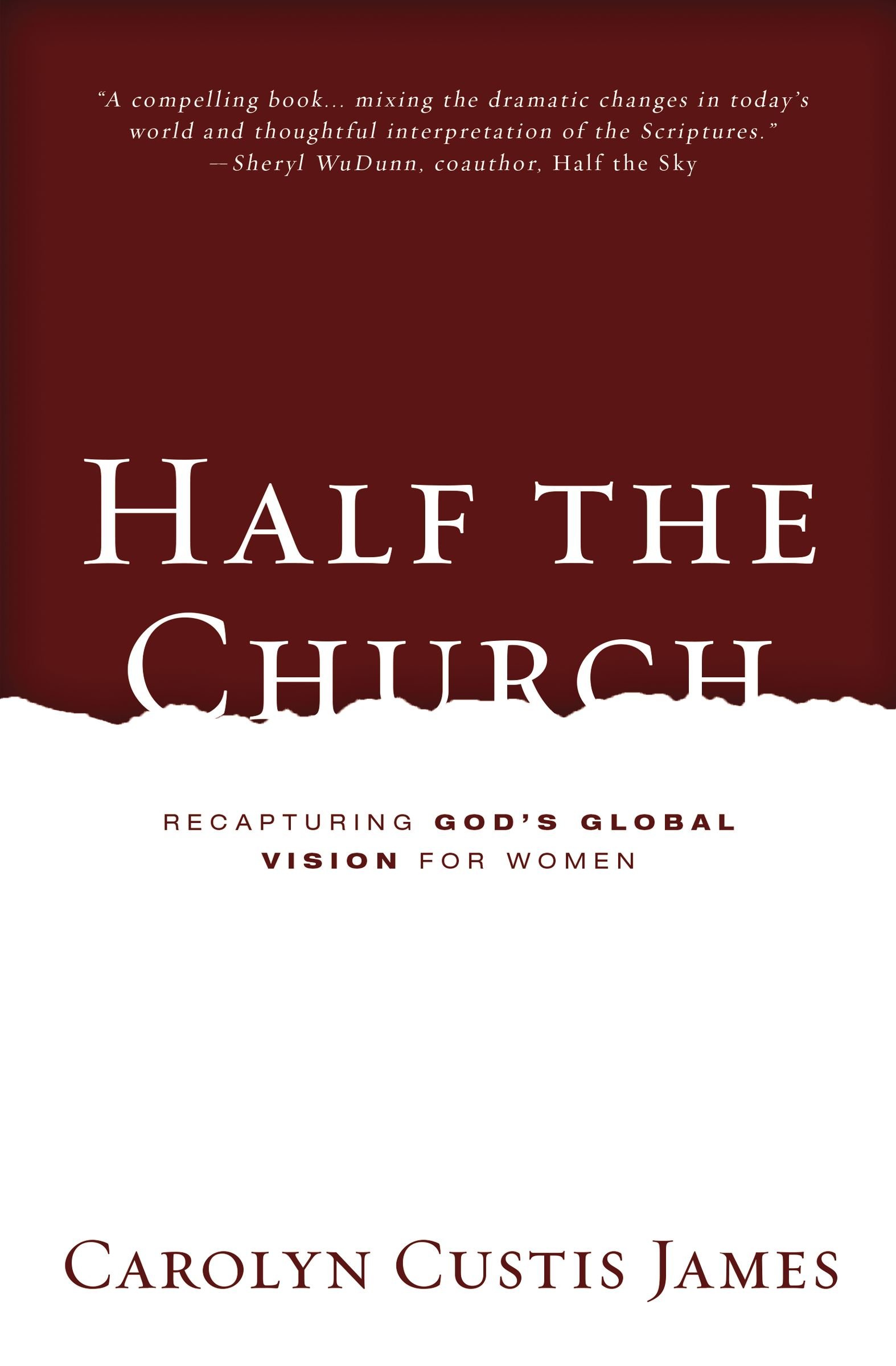






 Carolyn Custis James